Why post-accident headaches persist, and how upper cervical correction addresses the root injury — from the doctors at Keystone Specific Chiropractic Center in Wyomissing, PA.
Headaches after a car accident usually trace back to whiplash that knocked the atlas and axis out of alignment. Emergency care rules out fractures and bleeds, but rarely evaluates that subtle upper cervical displacement — which is why upper cervical chiropractic is often the piece that finally resolves post-accident headaches that medication and physical therapy could not
.
Why Headaches Follow a Car Accident
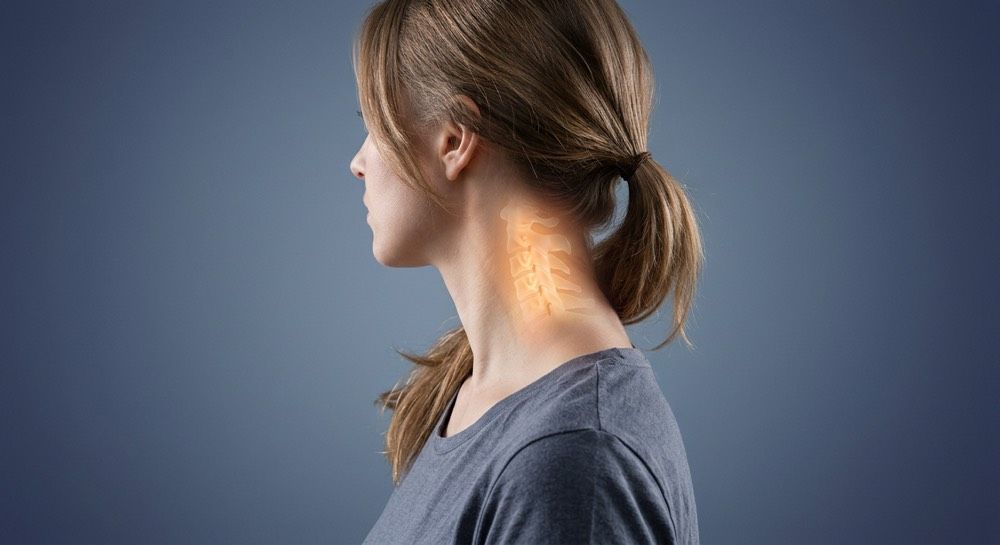
A collision delivers far more force to the neck than daily life ever does, and headaches are one of the most common lingering results. Even a low-speed, "minor" crash can leave the upper cervical spine misaligned long after the car is repaired.
Car crashes remain a major public-health problem. The U.S. Centers for Disease Control and Prevention reports that in 2023 more than 44,000 people died in motor-vehicle crashes and millions more were injured — many with neck trauma that never fully resolves. When a headache begins in the days or weeks after an accident, it is frequently the nervous system signaling that the structural foundation of the neck was disturbed and has not returned to normal on its own.
What Happens to the Upper Cervical Spine During Whiplash?
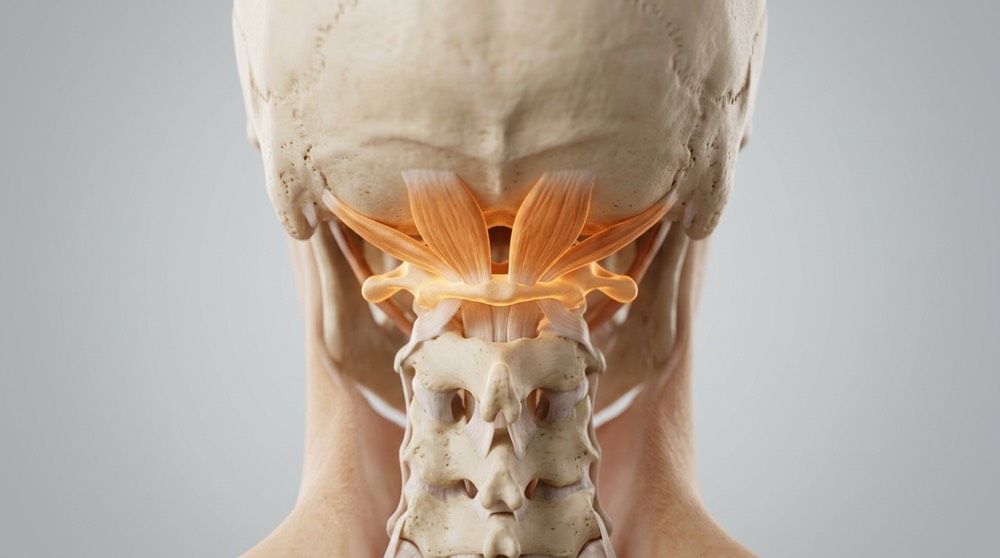
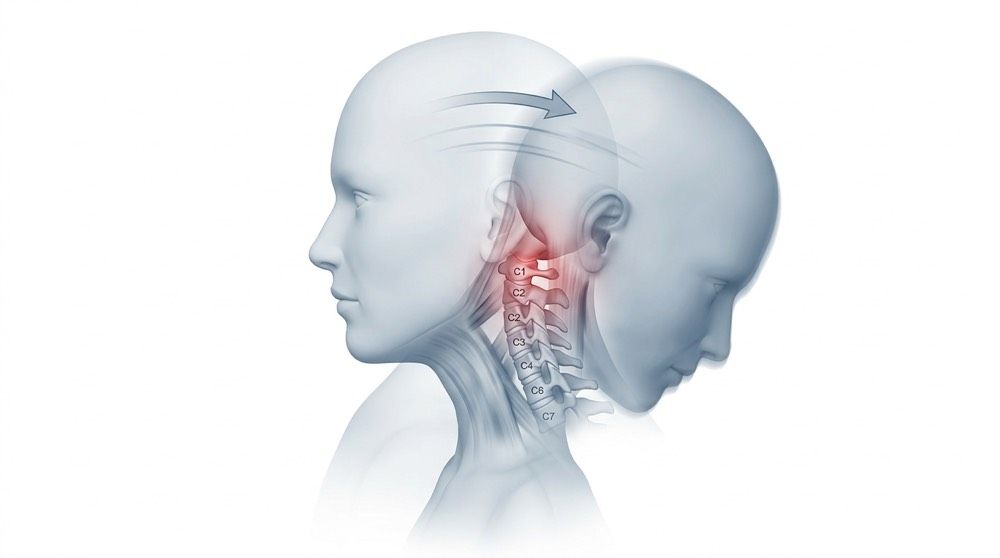
During whiplash, rapid acceleration and deceleration whip the head forward and backward beyond its normal range, forcing the atlas and axis out of their optimal position. That small but specific misalignment is what sets the stage for chronic headaches.
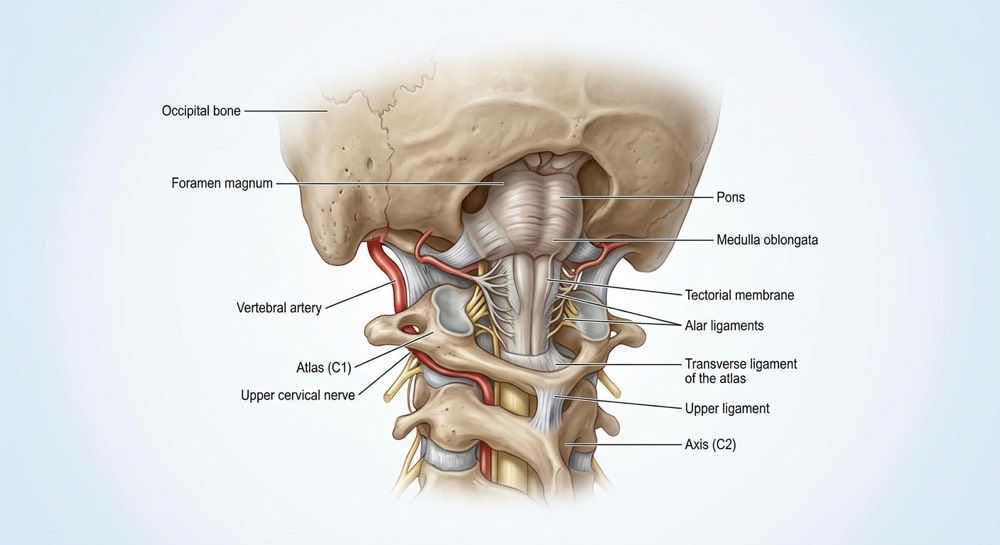
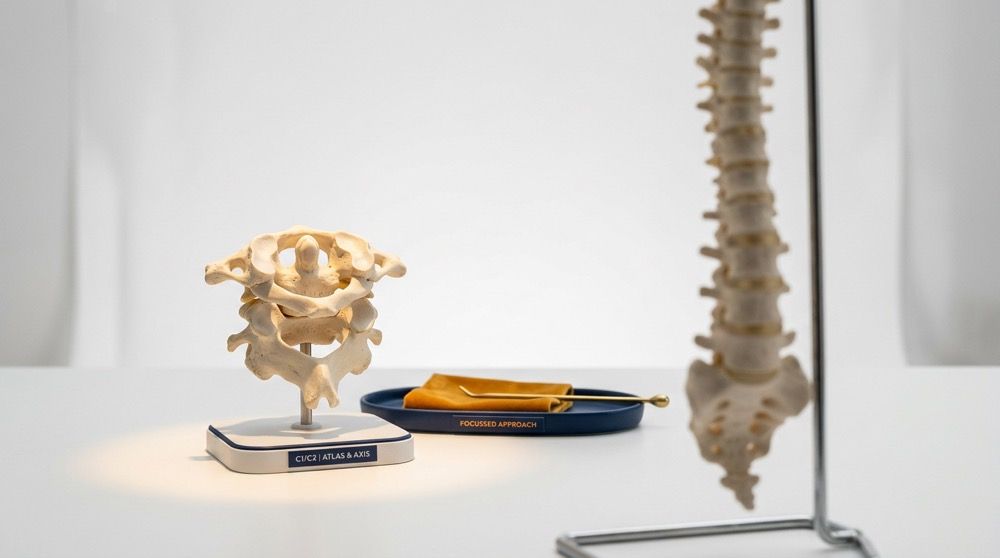
The upper cervical spine is the most mobile — and most vulnerable — region of the neck. It houses the brainstem and the nerves that influence blood flow and muscle tone in the head. When the crash displaces the atlas, it irritates those structures and locks the surrounding muscles into a protective spasm. To appreciate why these two vertebrae have such an outsized effect, see our explainer on the atlas and axis. The result is a headache pattern that can persist for months or years if the displacement itself is never corrected.
Why Standard Post-Accident Care Often Misses the Cause
Emergency and orthopedic care are excellent at what they are designed to do — rule out fractures, bleeding, and serious soft-tissue damage — but they rarely evaluate or correct subtle atlas misalignment. That gap is why so many accident victims are told everything looks fine while their headaches continue.
Standard imaging is read for catastrophe, not for the precise position of the atlas. Muscle relaxants and pain medication quiet the symptoms without touching the structural cause, and generalized physical therapy strengthens muscles that are compensating for an underlying misalignment. Understanding this difference is exactly why patients choose Keystone Specific: the goal is to find and correct the specific structural injury the crash created, not to manage symptoms indefinitely.
How Does Keystone Specific Assess and Correct Post-Accident Headaches?
Keystone Specific evaluates post-accident patients by measuring the exact degree and direction of the atlas displacement, confirming nervous-system interference, and then tailoring a gentle correction to that individual's injury. The process is analytical from the first visit.
Digital X-rays taken from precise angles reveal the vector of the atlas displacement caused by the impact, and a Tytron infrared scan confirms where the nervous system is under stress. Only after that analysis is reviewed does your Keystone Specific doctor deliver a quick, low-force correction specific to the injury pattern — you can read more about this measured, root-cause method in our approach to care. For Berks County patients who have struggled with headaches since a crash on Route 422 or the Warren Street Bypass, this precise correction is often what finally produces the resolution that months of other treatment could not.
Frequently Asked Questions
How long after a car accident can headaches start?
Headaches can begin immediately, but they often surface a few days to a few weeks after the crash, once the initial adrenaline and inflammation settle. Delayed onset is common with whiplash because the atlas misalignment and nerve irritation take time to produce noticeable symptoms. A headache that appears in that window is worth having evaluated, even if you felt fine at the scene.
Can I still be helped if my accident was years ago?
Often, yes. An uncorrected atlas misalignment does not heal on its own, so headaches rooted in an old whiplash injury can persist indefinitely. Because upper cervical care addresses the structural cause rather than the age of the injury, many long-term sufferers see improvement once the misalignment is finally measured and corrected, regardless of how much time has passed.
Will imaging actually show what is causing my headaches?
The precise digital X-rays used in upper cervical care are read specifically for the position of the atlas, not just for fractures. Combined with an infrared scan of nervous-system function, this reveals misalignment that standard emergency imaging is not designed to flag. That objective picture is what allows the correction to be tailored to your individual injury rather than estimated.
Is upper cervical care safe after a whiplash injury?
Upper cervical correction is low-force and guided by your individual measurements, with no aggressive twisting of an already-injured neck. Every post-accident patient is thoroughly evaluated first to confirm care is appropriate and to rule out anything requiring other treatment. The gentle, specific nature of the adjustment makes it well suited to necks that have been through a traumatic injury.
Get Your Post-Accident Headaches Evaluated
If headaches have lingered since a car accident, the crash may have left your upper cervical spine misaligned. Keystone Specific Chiropractic Center in Wyomissing measures that structure precisely and corrects it gently. Schedule a consultation to find out what your headaches are really telling you.
Written by Dr. Bill Moss, DC, upper cervical chiropractor at Keystone Specific Chiropractic Center in Wyomissing, PA.
This article is for general educational purposes and is not a substitute for individualized medical advice or in-person evaluation. Seek immediate care for any headache accompanied by severe or worsening neurological symptoms.