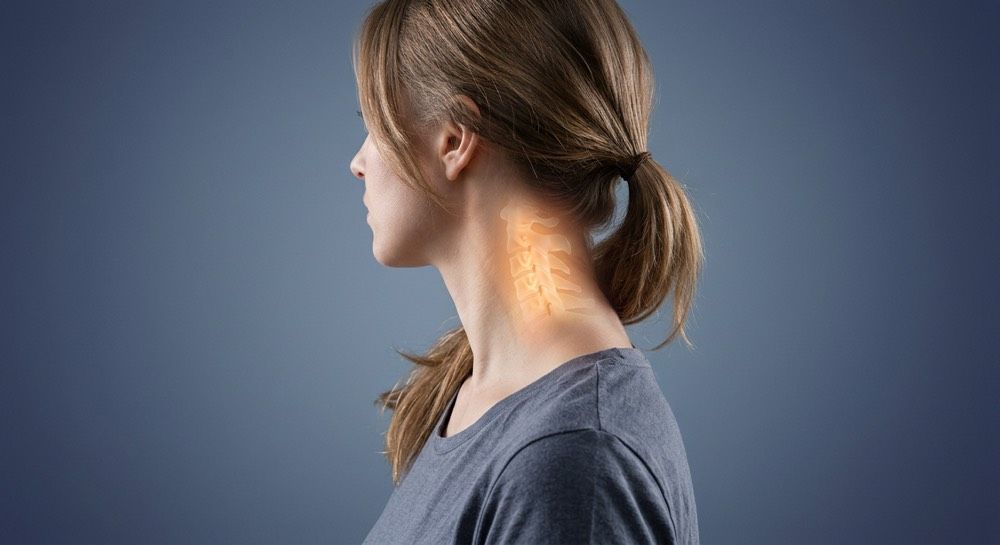
The atlas and axis vertebrae are the two bones at the very top of your neck — and in upper cervical chiropractic, they are the entire focus of care. They are small, but their influence is anything but. The atlas (C1) and axis (C2) sit at the crossroads of the head, the spine, and the nervous system, which means a problem here can echo far beyond the neck itself.
If you've ever wondered how a chiropractor could help with migraines, dizziness, or even sleep by adjusting one spot at the top of the spine, the answer lives in the anatomy of these two vertebrae. Understanding them is the key to understanding why upper cervical care works the way it does — and why a misalignment most people never notice can quietly affect their whole body.
Meet the Atlas (C1) and the Axis (C2)
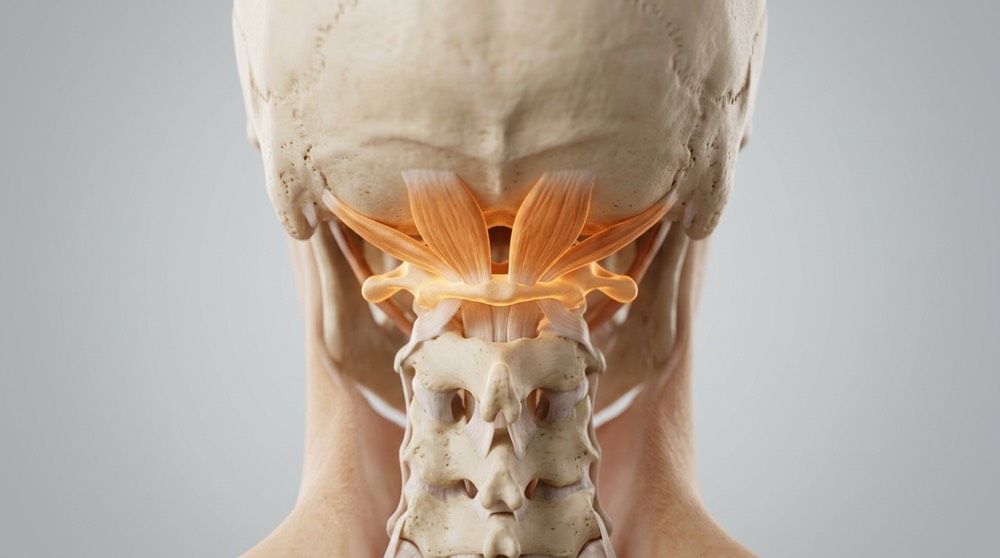
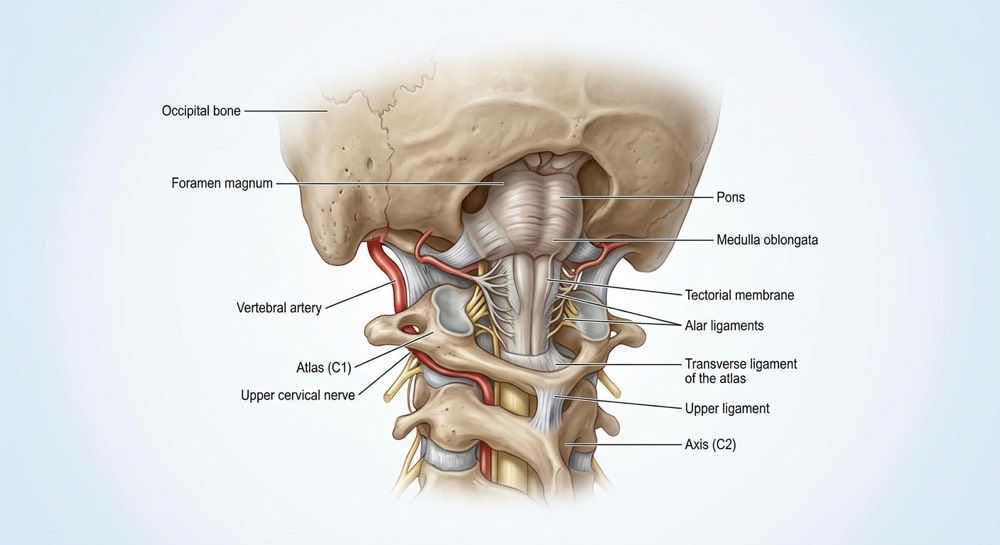
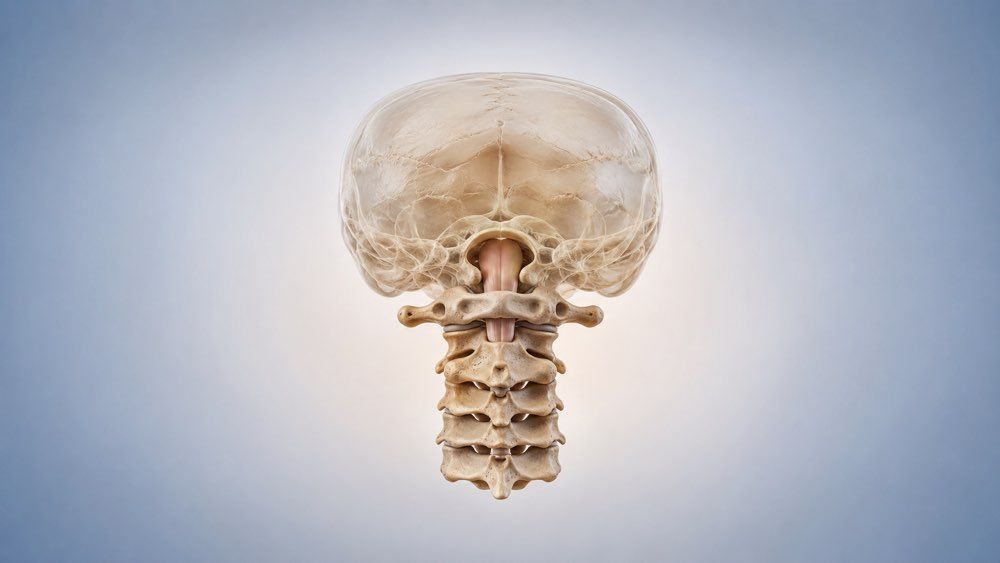
The atlas is named after the Greek figure who held up the heavens, and the name fits: this single ring of bone supports the full 10-to-12-pound weight of your head. It sits directly beneath the skull and has no disc above or below it like the rest of the spine does. The axis sits just beneath the atlas and features a bony peg, the odontoid process, that the atlas pivots around — this is what lets you turn your head from side to side.
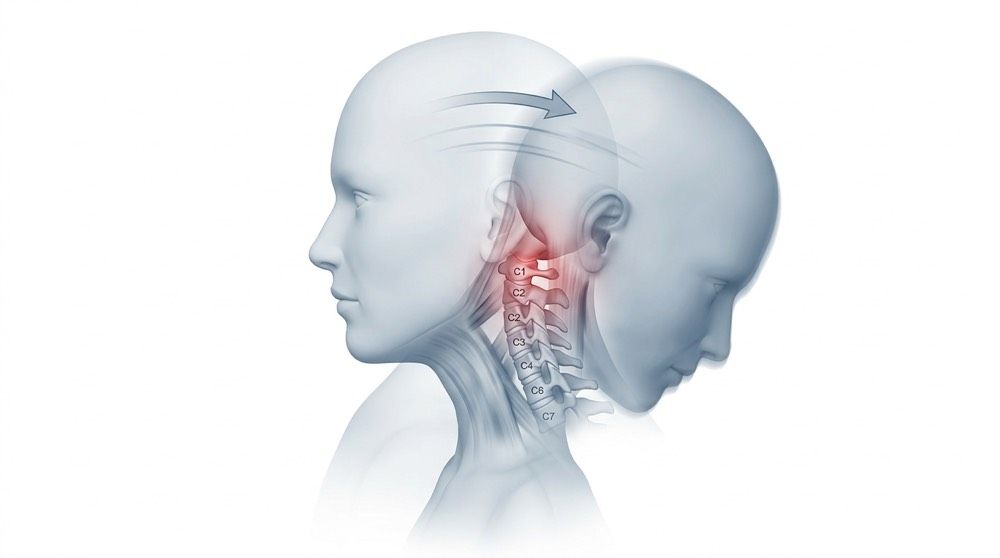
Together, the atlas and axis make the upper cervical spine the most mobile region of your entire spinal column. That mobility is a gift — it's why your head moves so freely — but it also makes the area uniquely vulnerable to misalignment from accidents, falls, sports impacts, poor posture, and even the trauma of birth. Because there are no large interlocking joints or discs to lock these vertebrae in place, a relatively minor force can shift them out of their ideal position.
The Brainstem Connection: Why This Region Governs So Much
Here is what sets the atlas and axis apart from every other vertebra: the brainstem passes directly through this region. The brainstem is the bridge between your brain and your body, and it controls the functions you never consciously manage — heart rate, blood pressure, breathing, digestion, and the constant two-way flow of nerve signals that keeps everything coordinated.
Because this critical structure runs through the opening in the atlas, mechanical interference at C1 or C2 is uniquely positioned to disrupt nervous system communication. This is the anatomical reason upper cervical correction can influence conditions that seem to have nothing to do with the neck. The brainstem's role as the body's control center is well established in mainstream neurology — resources like the National Institute of Neurological Disorders and Stroke describe it in detail. Upper cervical chiropractic simply takes that anatomy seriously and asks whether a structural problem at this level is interfering with how the brainstem does its job.
One Misalignment, Many Faces: Why Symptoms Differ
One of the most confusing things about an atlas misalignment is that it doesn't look the same in any two people. One person develops migraines. Another experiences vertigo or balance problems. A third struggles with digestion, sleep, or stubborn neck and shoulder tension. Some people have no obvious neck symptoms at all.
How is that possible from a single underlying problem? Because the symptom depends on which neural pathways are most affected and on how each person's body compensates. When the atlas shifts, the body adjusts everything beneath it to keep the head level — the shoulders, the hips, even apparent leg length. That whole-body compensation, combined with nervous system interference, produces a pattern that is unique to each individual. The common thread isn't the symptom; it's the source.
What Knocks the Atlas and Axis Out of Alignment?
If these two vertebrae matter so much, what causes them to shift in the first place? Because the upper cervical spine is built for mobility rather than stability, it takes less force than most people expect.
Common contributors include:
- Car accidents and whiplash, where rapid acceleration and deceleration throw the head beyond its normal range of motion
- Falls and head impacts, including sports collisions in football, soccer, wrestling, and gymnastics
- The birth process itself, which can stress a newborn's delicate upper cervical spine
- Years of forward-head posture from desk work, long commutes, and smartphone use
- Sleep positions that hold the neck twisted or strained night after night
Often there is no single dramatic event — just an accumulation of everyday stresses that gradually nudge the atlas out of position. That is part of why so many people carry a misalignment for years without realizing it: the shift happened slowly, and the body quietly compensated until symptoms finally surfaced. Identifying when and how a misalignment likely occurred is part of the history we take at Keystone Specific, because it helps explain the pattern we see on the scan.
How Keystone Specific Measures What's Happening
Because the problem is invisible from the outside and varies so much from person to person, guesswork has no place in upper cervical care. At Keystone Specific Chiropractic Center, we measure before we ever make a correction.
Digital motion X-rays reveal the exact position and angle of the atlas, which tells us the precise direction any correction must take. A digital infrared (Tytron) scan reads the heat patterns along the spine to detect the asymmetries that signal nervous system interference. The scan is painless and takes only minutes, and it gives us objective data rather than relying on symptoms alone. After an adjustment, we scan again to confirm the correction held. This measurement-first approach is the heart of our approach and why specific care matters — and it's what separates precise upper cervical work from a general adjustment.
Why "Small" Doesn't Mean "Minor"
It's tempting to assume that two small bones can only cause small problems. The opposite is true. Precisely because the atlas and axis sit where the nervous system is most exposed, a misalignment of even a fraction of a millimeter can carry consequences out of all proportion to its size. The flip side is just as powerful: a small, precise correction in exactly the right direction can produce changes that are felt throughout the body.
That is the central insight of upper cervical care, and it's explained in full in our overview of what upper cervical chiropractic is and why it works differently. The atlas and axis are small — but they may be the most important two inches of your spine.
Frequently Asked Questions
Where are the atlas and axis located?
They are the top two vertebrae of the spine. The atlas (C1) sits directly beneath the skull; the axis (C2) sits just below it and allows your head to rotate.
Can an atlas misalignment really affect the whole body?
It can. Because the brainstem passes through this region and the body compensates for the misalignment from head to toe, interference at the atlas can contribute to symptoms well beyond the neck — from headaches to balance and sleep problems.
How do you know if my atlas is misaligned?
We use digital motion X-rays and a digital infrared scan to measure the position of the atlas and detect nervous system interference. You're only recommended for care if the objective findings show it's warranted.
Is correcting the atlas safe?
Yes. Upper cervical corrections use very light, specific force — no twisting or popping — which makes the approach appropriate even for children and older adults. The precision comes from the imaging and analysis, not from force.
Take the First Step
Curious whether your atlas and axis are part of your health picture? At Keystone Specific Chiropractic Center in Wyomissing, we'll measure first and explain exactly what we find. Schedule a consultation to learn more.
About the Author
Dr. Bill Moss, DC, is the founder of Keystone Specific Chiropractic Center in Wyomissing, PA, and a specialist in upper cervical chiropractic. After resolving his own years of anxiety and panic through upper cervical care, he devoted his practice to the same root-cause approach — using digital imaging and infrared scanning to deliver precise, gentle corrections. He is trained in the Knee Chest and Side Posture Toggle techniques and has taught upper cervical chiropractic to practitioners internationally.