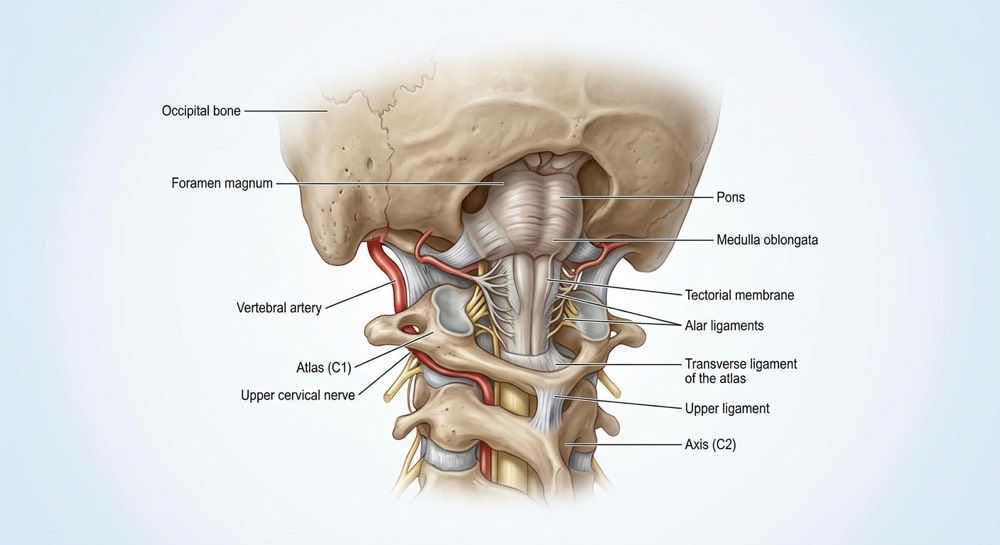
Concussions can have lasting effects that go far beyond the initial injury. While many people recover within weeks, others continue to experience headaches, dizziness, neck pain, fatigue, and difficulty concentrating for months. Because the upper cervical spine plays such a close role in supporting the brainstem and nervous system, upper cervical care can help support concussion recovery. By focusing on alignment and nervous system function, this specialized form of chiropractic care aims to reduce stress on the body after head trauma.
The Brainstem's Role in Post-Concussion Symptoms
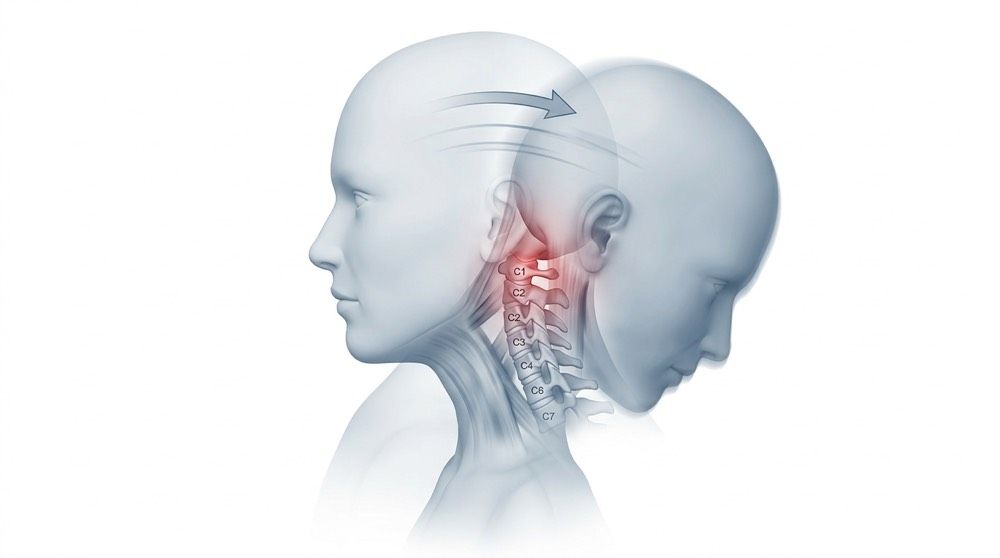
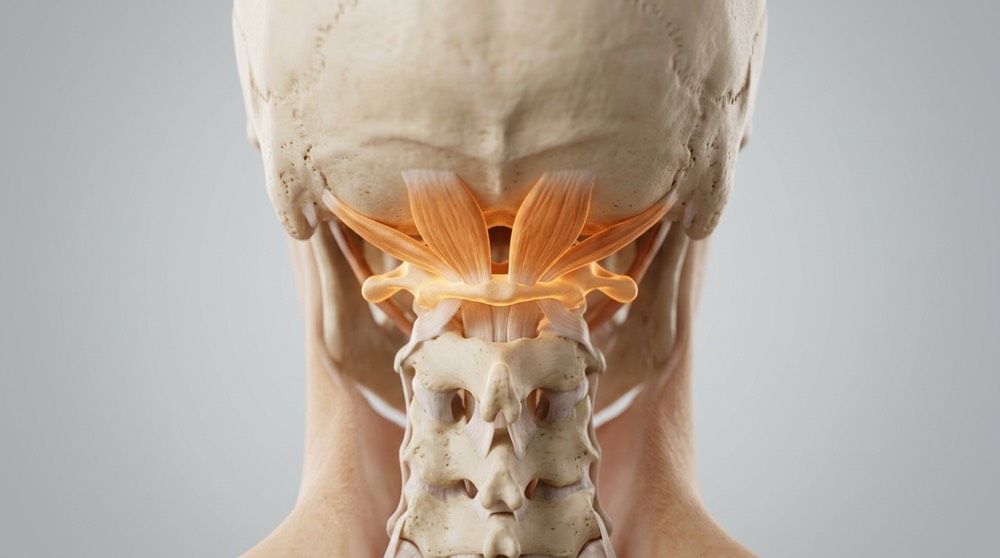
The brain stem is one of the most important structures of the body. It controls many automatic functions, including balance, coordination, heart rate, sleep cycles, and communication between the brain and the body. The brainstem is located at the base of the skull, next to the upper cervical spine, particularly the atlas (C1) and axis (C2) vertebrae.
A concussion is the result of trauma to the head and neck that causes a rapid transfer of force to the brain and surrounding structures. Even mild traumatic brain injury can impair communication pathways that include the brainstem. This disruption may be a contributing factor to the common symptoms of post-concussion syndrome, including:
- Hazy vision and difficulty focusing
- Migraines & Headaches
- Feeling dizzy or lightheaded
- Eye problems
- A painful, stiff neck
- Sensitivity to noise and light
- Tiredness and sleep problems
Because the upper cervical region supports and protects the brainstem, instability or irritation in this region can worsen symptoms or prolong recovery. Thus, treating cervical dysfunction may be part of a larger recovery strategy.
Upper Cervical Misalignment After Head Trauma
In many concussions, the neck is also subjected to a substantial force. Whiplash-type movement can harm the muscles, ligaments, and joints of the upper cervical spine. This trauma can cause slight misalignments of the atlas and axis vertebrae.
Upper cervical practitioners believe that misalignments such as these can interfere with normal communication within the nervous system and blood flow. The upper neck has many nerve receptors that are responsible for balance and spatial awareness, so even slight changes in position can cause symptoms such as dizziness, nausea, or coordination problems.
Some patients still have symptoms after a concussion, even after resting and conventional treatment. Sometimes, unresolved cervical dysfunction can play into the problem. Imaging and neurological tests are often performed to see if structural problems in the neck are contributing to ongoing pain.
It is important to note that upper cervical care is not a substitute for emergency medical care or neurological care after a concussion. Instead, it can be an adjunct to medical care and rehabilitation.
How Gentle Adjustments Support Neurological Healing
Upper cervical care is very specific, involving gentle adjustments to properly realign the neck. These corrections are often performed with very little force and are tailored to each patient's anatomy, unlike traditional manual manipulation techniques.
The aim is to lessen mechanical stress on the nervous system and enhance the body’s innate healing ability. Better alignment can mean less muscle tension, better posture, increased mobility, and less irritation around the spinal cord and brain stem for patients.
Some concussion patients report symptom improvement in headaches, neck pain, dizziness, and sleep quality following upper cervical care. Small adjustments may help bring the nervous system into balance and relieve strain in the cervical spine, creating a more favorable environment for neurological healing.
No two concussions are alike, so treatment plans should be individualized. Patients with chronic post-concussion syndrome should be evaluated by qualified health care providers to determine the best course of care.
Keystone Specific Chiropractic Can Help You with Multiple Issues
At Keystone Specific Chiropractic Center, we focus on promoting overall health rather than patching symptoms. That is why we use state-of-the-art technology to determine and measure the nature of your problem, allowing us to correct the issues affecting your health.
If you are tired of the pain and issues, schedule an appointment with our dedicated professional team today.