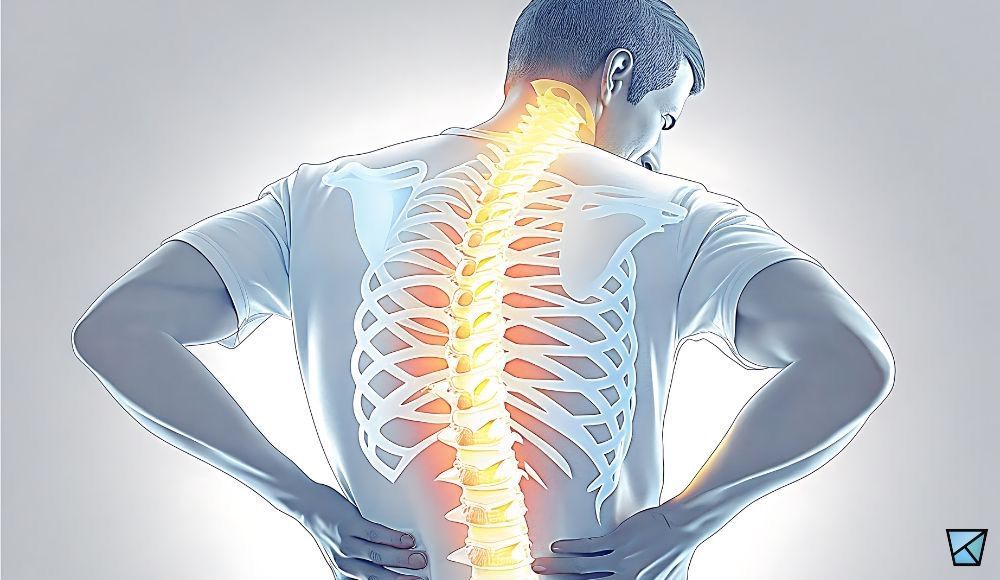
Although most people may not be familiar with the term, subluxations are a fundamental concept in upper cervical chiropractic care and a common topic of conversation among patients seeking relief from pain, stiffness, or limited movement. Even though the word may sound technical, understanding what a subluxation is and how it affects health can help people make informed choices about their care.
Chiropractors believe that proper spinal alignment is important for the nervous system to work correctly. They also understand that subluxations can interfere with that connection, which can lead to a range of musculoskeletal problems.
Definition and Impact
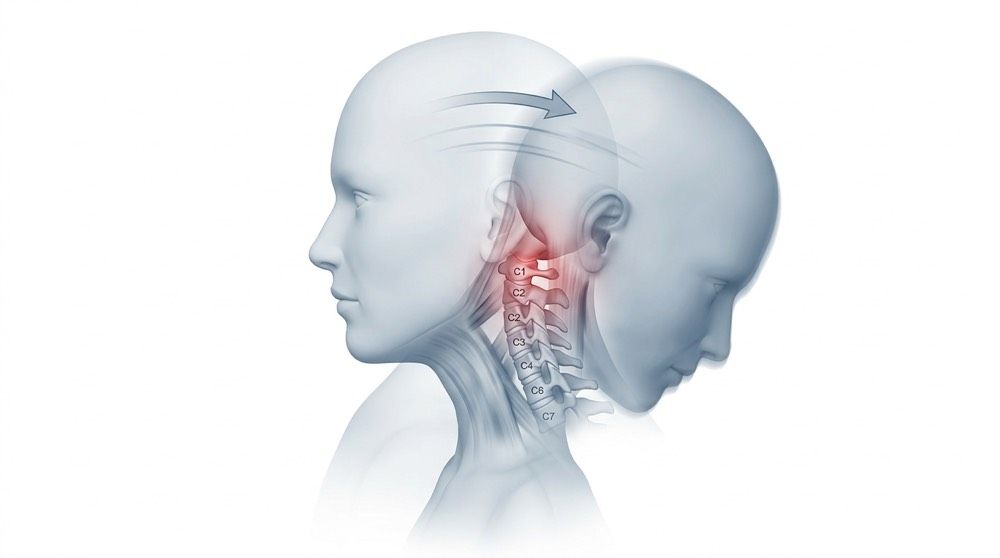
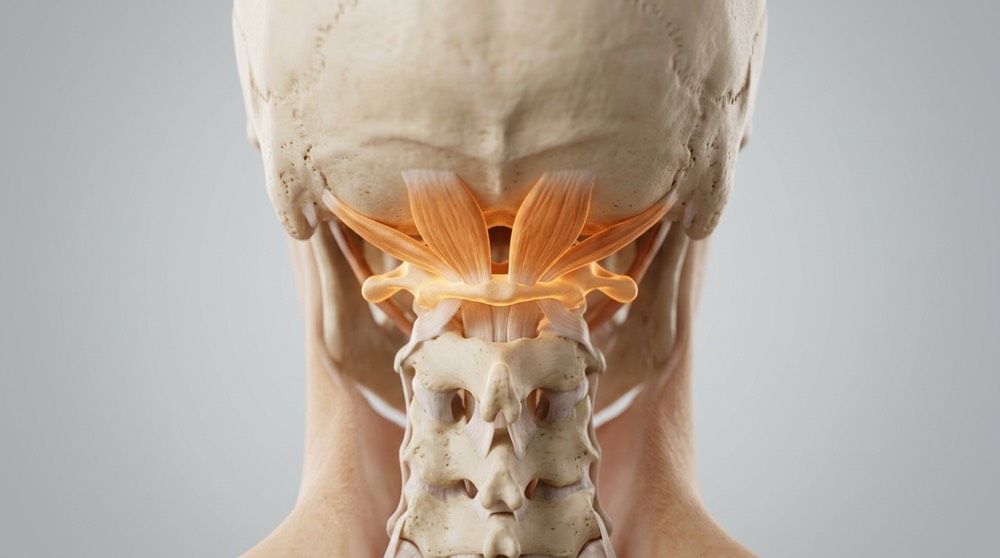
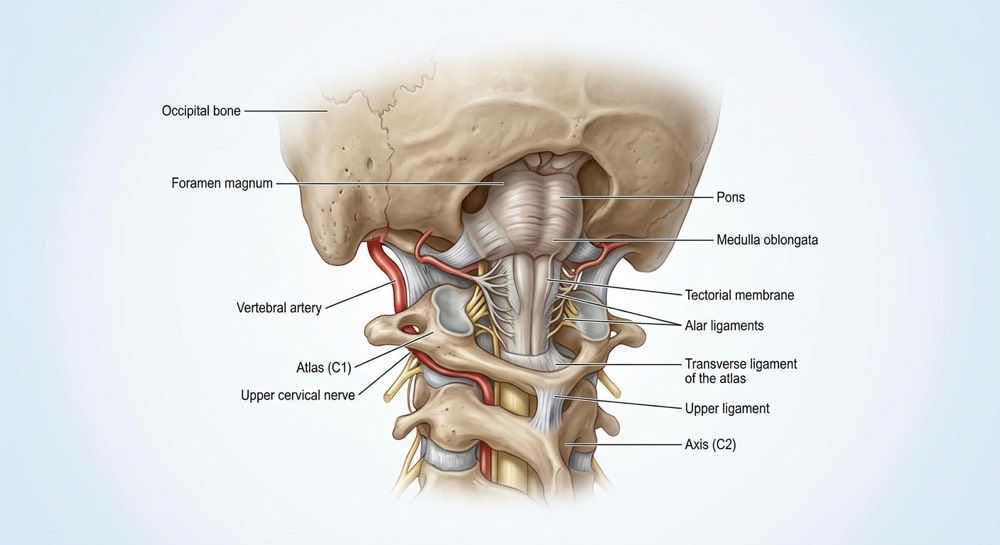
A subluxation in chiropractic means that a vertebra is out of place or can't move as it should, which affects how the joints work. A chiropractic subluxation differs from a medical subluxation because it is less obvious and is often associated with changes in how the body functions. These changes can cause nearby nerves to hurt, alter muscle balance, and place uneven stress on joints and ligaments.
The effects of a subluxation vary from person to person. Some people have pain in one area, tight muscles, or a limited range of motion. Others may have headaches, numbness, or spreading pain. If subluxations are not treated, they may lead to degenerative changes in the joints or long-term pain. From a chiropractic perspective, getting the body back into proper alignment helps it heal, move, and function at its best.
Diagnosis and Treatment
Chiropractors identify subluxations by reviewing a patient's medical history, performing a physical exam, and using diagnostic tools. Most assessments focus on posture, spinal movement, and muscle tension. In some cases, digital X-rays and other imaging tests may be used to better understand the structure of the spine.
Once a subluxation is found, treatment usually includes precise spinal adjustments and controlled movements of specific joints to restore mobility and alignment. The goal of these changes is to reduce pain, lower inflammation, and improve the nervous system's function. Chiropractors may also use soft-tissue therapy, stretching, therapeutic exercise, and other methods, such as a toggle or activator, to help the body heal.
The severity of the subluxation, the patient's overall health, and how well they respond to care all affect the treatment plan. Some people feel better immediately, while others may need a series of adjustments to see long-term improvement.
Preventative Strategies
To avoid subluxations, it’s essential to maintain healthy habits that keep your spine in line and help your muscles and bones work well. Regular visits to the chiropractor can help identify problems early, but your lifestyle choices are equally important. It helps to strengthen your core muscles, practice good posture, and use good ergonomics at work and at home. Stretching, staying active, and avoiding long periods of sitting can also lower the risk of misalignments.
Taking care of your muscles and joints also means managing stress, staying hydrated, and getting enough restorative sleep. These strategies work together to help people maintain spine health, reduce their risk of subluxations, and improve their overall health.
Are You Ready to Start Healing?
If you suffer from the effects of subluxation, upper cervical chiropractic care at Keystone Specific Chiropractic Center could be the solution you’ve been hoping for. Our dedicated team is here to help you achieve optimal health and well-being.
Visit us for consultation and learn how upper cervical care can realign your spine and reclaim your health. To schedule an appointment, visit our website or call us at 610-741-6700.